Table of Contents

Aerodynamics Series

2019년 9월 21일 토요일

Osan Airshow 2019 Korea


During the Holidays, I could see Osan Airshow 2019 in Korea

It was a raining day, and I could see aircraft from USAF and ROKAF

Some 'Guest-aircraft' were coming from Kadena air-base. 


Because of the rain, it was interesting to watch some people hiding under the wing :)


1. Entrance


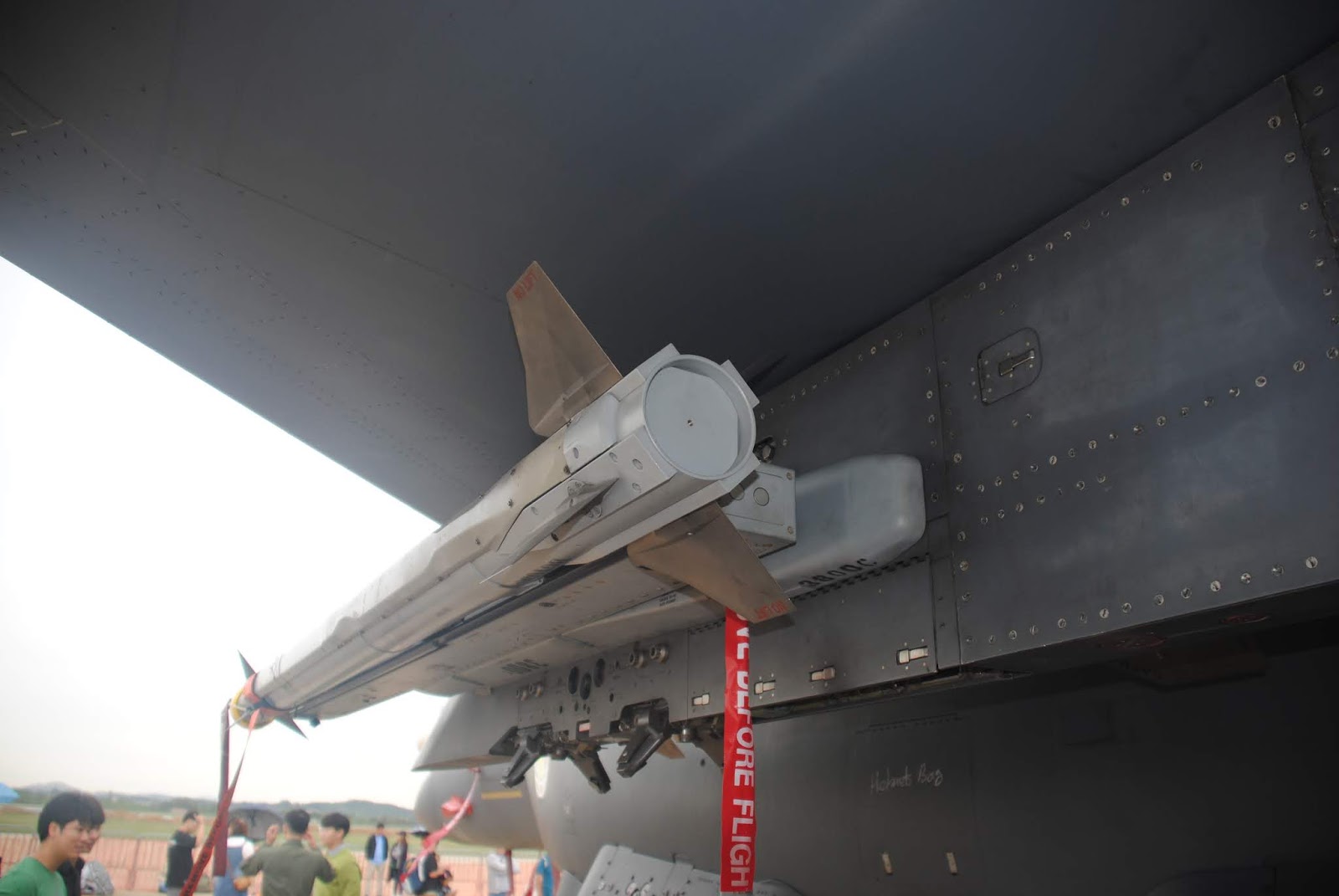
2. F-15C

It is interesting to see small attached fin near the rear-fuselage-pylon

And two-star means 'kill-mark' of two MiG-23 at Desert Storm operation in 1991


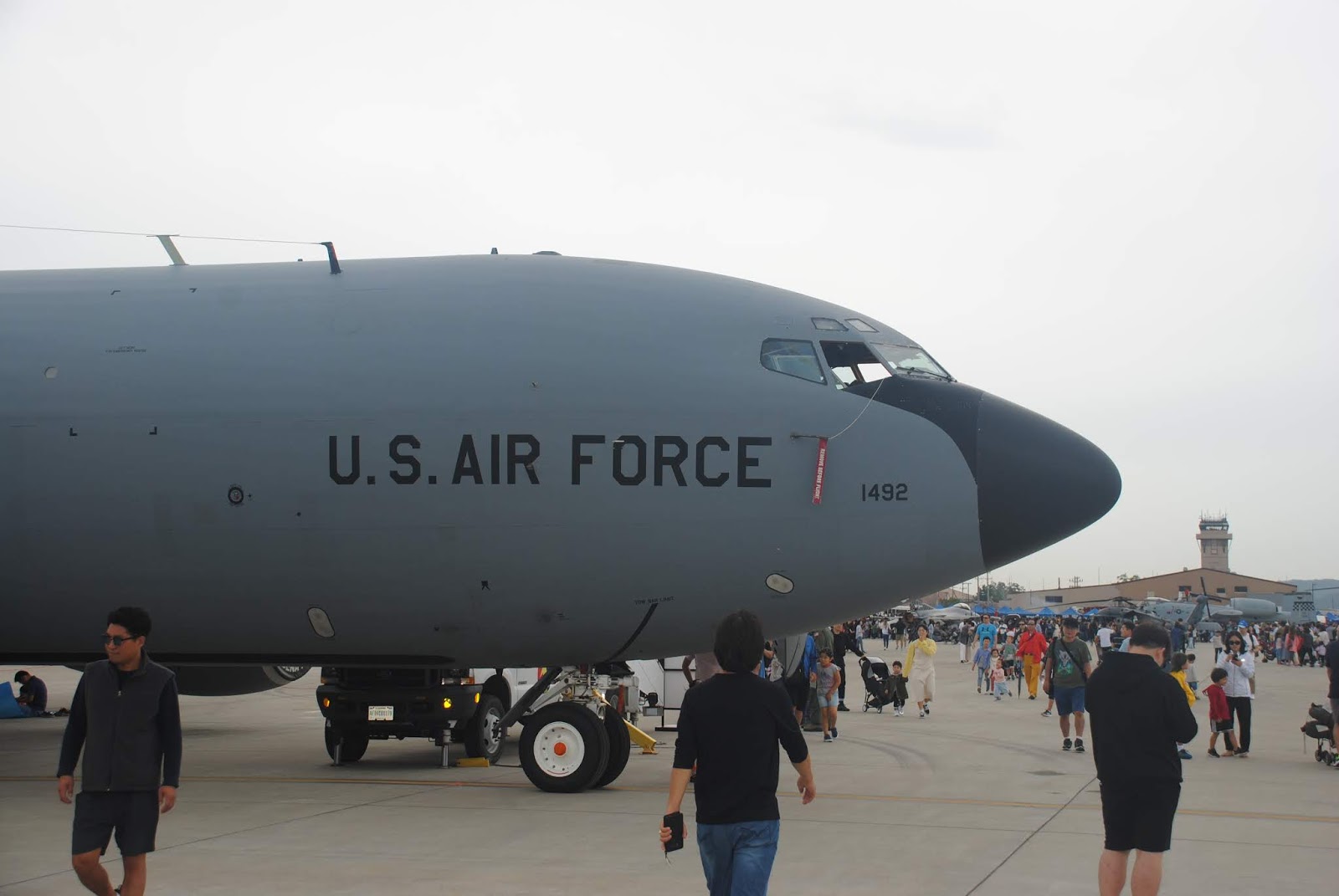
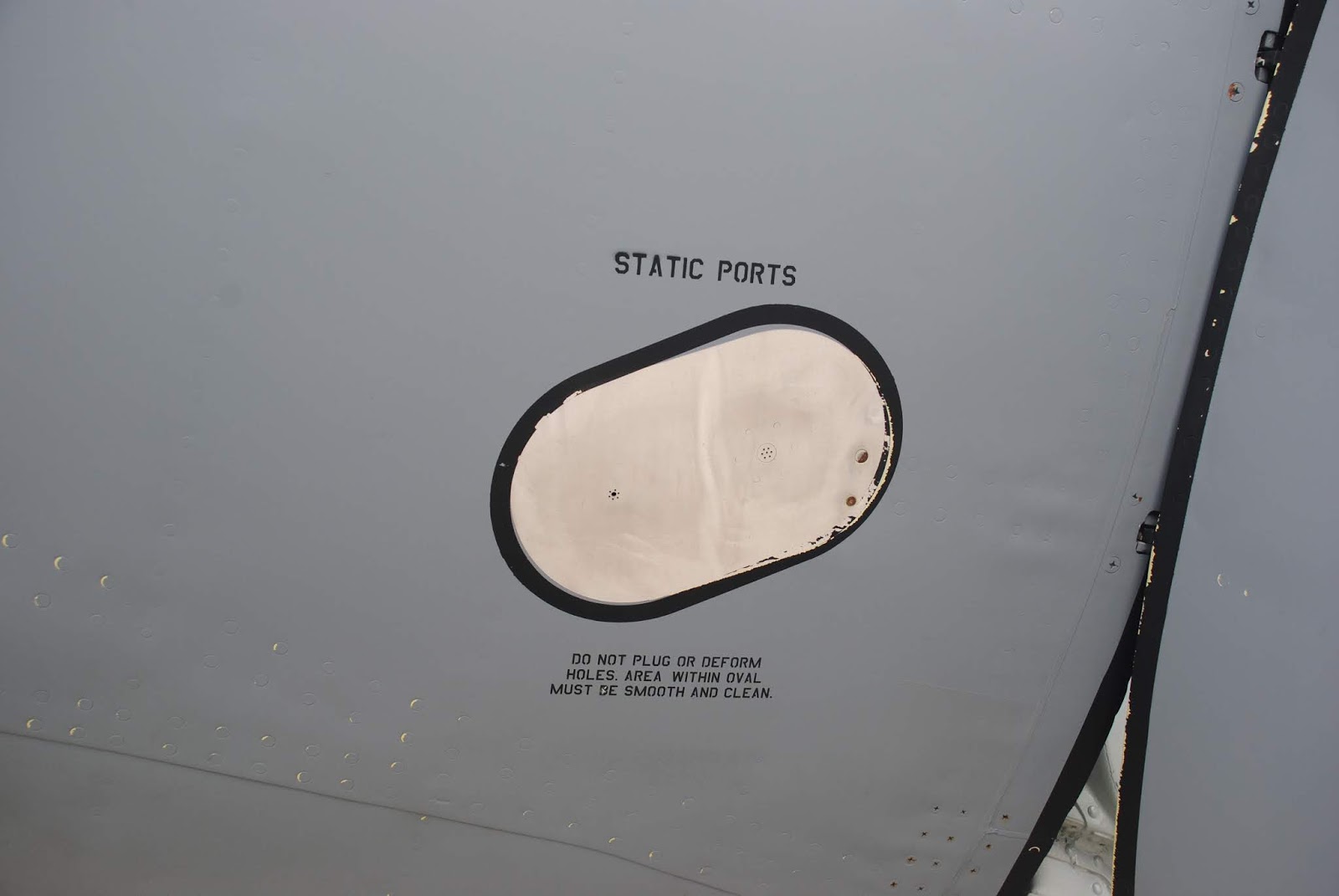
3. KC-135

Our old tanker


4. AH-64D

One friend was coming from US-Army


5. A-10C

Two A-10s are displayed while other two A-10s demonstrated 'Pilot-Rescue Performance'


6. HH-60

US' HH-60 and ROK's HH-60 are mixed; other two HH-60s were used for demonstration


7. C-12 (King-Air)

Modified from Civil aircraft King-Air; some survival-equipment are attached


8. F-5F

One of the oldest in this show; high-drag profile panel war remarkable


9. F-4E 

ROKAF's F-4E is still in service while USAF's were coming from reserving hanger


10. F-15K

Except, F-35 and KC-330, it is the newest fighter-bomber in ROKAF inventory

Unlike ADEX, only light air-to-air configuration was displayed


11. KF-16C

Backbone of the ROKAF in number, more than 120 aircraft are in service


12. FA-50

Light-attacker version of T-50


13. U-2

One of symbol of the Cold-war; now it was unpopular than I expected


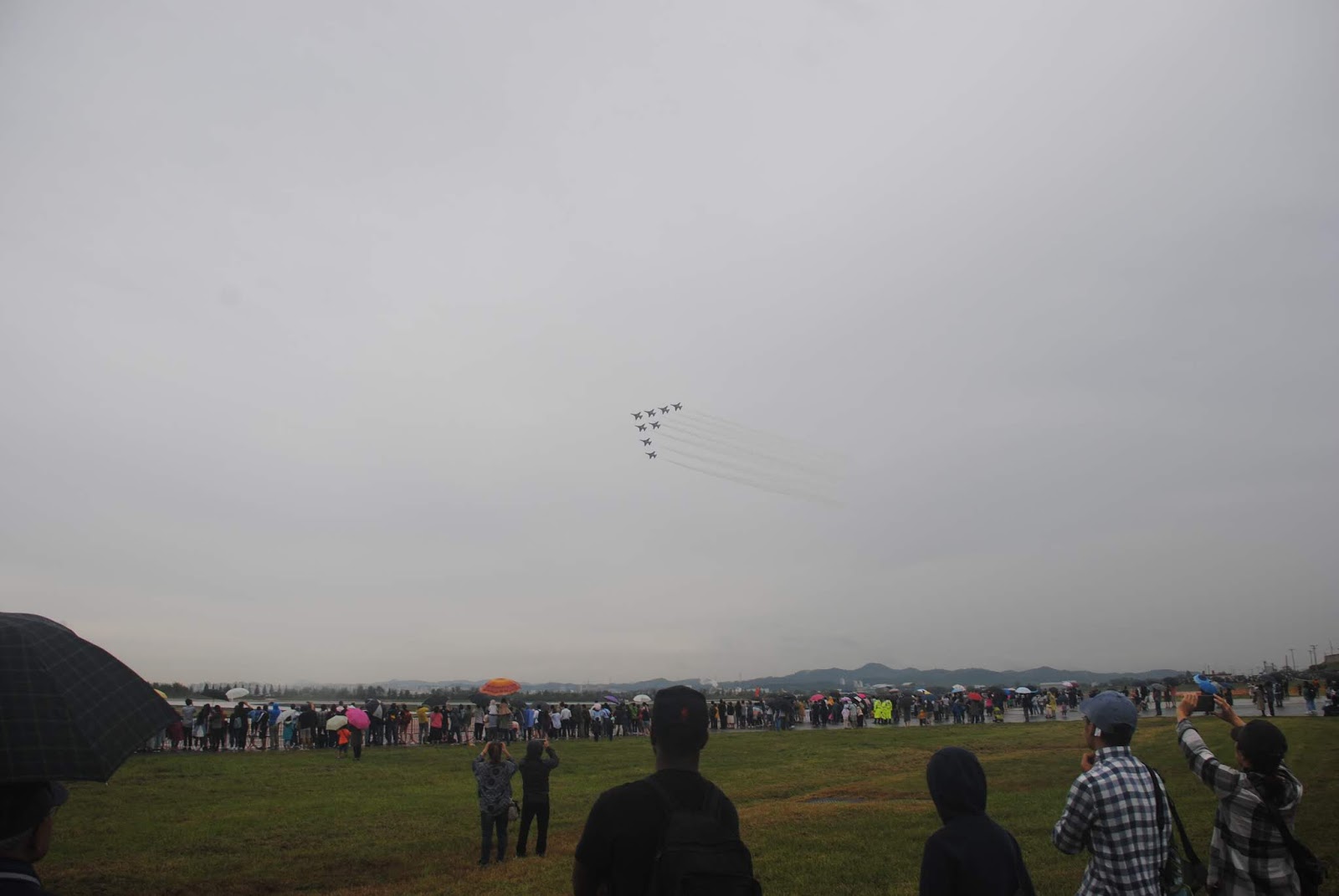
14. Black Eagles (T-50B Aerobatic Team of ROKAF)

Main highlight of the show


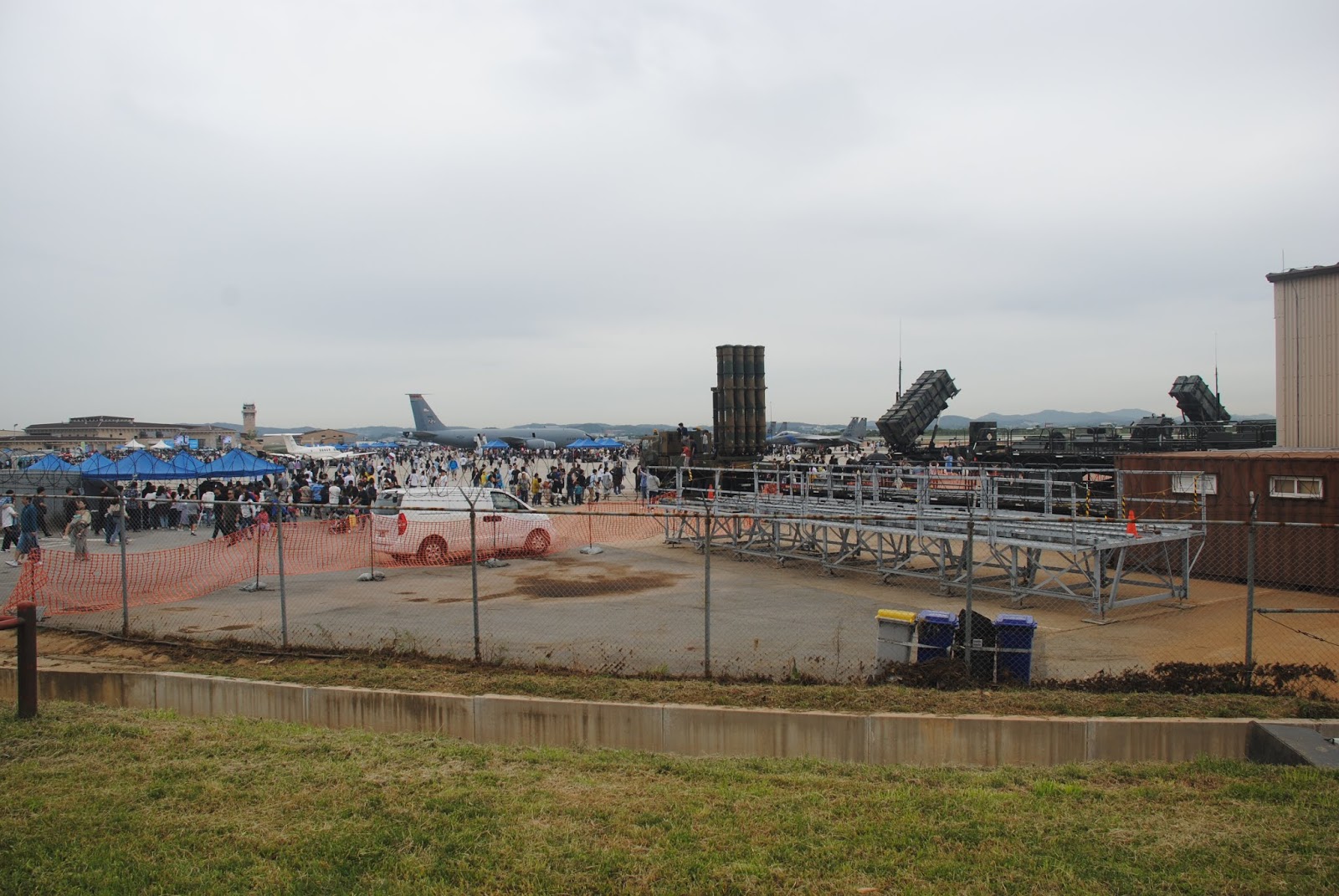
14. ETC (missiles and guns)

Patriot and old-Vulcan were displayed while Korean's relatively new M-SAM was shown


2019년 9월 14일 토요일

Missile-SIM : Performance Evaluation for ATACMS class missile

Previous Work Status

Initial Version of Missile-SIM for Performance evaluation
Aerodynamic Validation of Missile-SIM for Trajectory 
AIM-120C Study using Missile-SIM : Part 1 - Sensitivity
AIM-120C Study using Missile-SIM : Part 2 - Launch Condition
AIM-120C Study using Missile-SIM : Part 2 - Launch Condition - revision
Patch note of Missile-SIM : Guidance Algorithm is added w/ Real-Time plot
W.I.P status of Missile-SIM : Addition of Air-propulsion part 1
W.I.P status of Missile-SIM : Addition of Air-propulsion part 2
AIM-120C Study using Missile-SIM : Part 3 - CUDA / LREW / METEOR types. 1 : Baseline Comparison
AIM-120C Study using Missile-SIM : Part 3 - CUDA / LREW / METEOR types. 2 : Sensitivity Analysis
AIM-120C Study using Missile-SIM : Part 3 - CUDA / LREW / METEOR types. 3 : Few mentions
W.I.P status of Missile-SIM : Addition of 3D Coordinate
W.I.P status of Missile-SIM : Development of Few generic bodies for Further Missile-SIM


 1. Modeling of Generic ATACMS missile

 After I conducted analysis of Air-to-Air missile series, I should add longer range missiles for my analysis which requires coordinate of surface of the earth. As an example of the GtG missile, ATACMS class is modeled as follows. 

 Some details are coming from known source of the internet while others are from assumptions. 


 2. Trajectory Simulation of the generic ATACMS

 Based on the modeled missile, I simulated a few trajectory options using Missile-SIM. 


1) Short-Ranged Shot (~40km)


From the ground condition(Zero-speed, Zero-altitude), the missile climbed 80deg for 40sec and 45deg for additional 20sec. Then, the missile is sharply fall for 45deg. 

From the simple trajectory, missile could achieve 39km of range within 100s. Maximum altitude and speed are 81,000ft and M3.3 respectively. Before the missile fall to 40,000ft, it keep its high speed. However, as the missile re-enter the low-altitude, missile lose its speed significantly even in sharp-angle free-fall. 


2) Lofted Shot (~90km)


From the ground condition(Zero-speed, Zero-altitude), the missile climbed 80deg for 40sec and 45deg for additional 40sec. Then, the missile is sharply fall for 30deg. The modified trajectory definitely targeted to longer range via longer climb(+20s) and less sharp falling angle(-15deg). 

From the simple trajectory, missile could achieve 90km of range within 184s. Maximum altitude and speed are 135,000ft and M3.3 respectively. Because the missile flight more time in high altitude, range of the missile could be extended to more than two-times of the previous shot. Longer range sacrifices its terminal speed from M2 to M1.7. 


3) Cruising Shot for longer range (~170km)


From the ground condition(Zero-speed, Zero-altitude), the missile climbed 80deg for 40sec and 45deg for additional 40sec as same as the case of the 2). Then, the missile is cruising for 15deg. The modified trajectory definitely targeted to longer range via much less sharp falling angle(-30deg). 

From the simple trajectory, missile could achieve 170km of range within 330s. It is almost same as that of known specification of the ATACMS. Maximum altitude and speed are 135,000ft and M3.3 respectively. There is nothing change in there. 

Because the missile flight more time in high altitude, range of the missile could be extended. Longer range sacrifices its terminal speed from M2 to M0.75. 


4) Cruising Shot and Terminal Descend (~110km)


From the ground condition(Zero-speed, Zero-altitude), the missile climbed 80deg for 40sec and 45deg for additional 40sec as same as the case of the 2). Then, the missile is cruising for 15deg. The modified trajectory definitely targeted to longer range via much less sharp falling angle(-15deg) for 40sec. In terminal phase, I added 60deg fall phase to preserve the speed of the missile. 

From the simple trajectory, missile could achieve 170km of range within 330s. It is almost same as that of known specification of the ATACMS. Maximum altitude and speed are 135,000ft and M3.3 respectively. There is nothing change in there. 

Because the missile flight more time in high altitude, range of the missile could be extended while the speed of the missile is kept. 


5) JTACMS version as Air-Launched Weapon


Different from the ground condition, air-launched ATACMS was considered for F-16. Because initial altitude(30,000ft) and speed(M0.8) are provided, the missile could reach much higher and faster status than the ground launched one. 

From the simple trajectory, missile could achieve 250km of range within 330s. However, compared to its weight to air-launched cruise missile like Storm-shadow or Taurus, its range do not have strong merit over them. 


6) Advanced ATACMS (upgraded rocket-motor, I called ATACMS-M)

Using upgraded rocket motor(+20s of ISP), fictional upgrade of ATACMS is tested. It provides higher maximum speed(~M4) and altitude, and they lead longer range than the baseline version of the missile (~270km). It is interesting that the advanced motor give the similar increase provided by the air-launch.  


3. Conclusion

 The generic ATACMS model could provide specific flying trajectory, and the model re-enact the performance parameters which are already known. The cruise shot of baseline model can cover the important region near the Seoul while the advanced version can shoot longer shot. 

 Additionally, air-launched and upgrade version of the missile is considered; the result shows air-launch option is similar to that of 10% increase of ISP.